
Maintaining access to a private online network requires understanding how platform procedures, security controls, and personal credential management interact. When attempting a positive singles sign in, users may occasionally encounter hurdles ranging from forgotten credentials to unexpected account verification prompts or suspected credential compromise. This audit-led guide examines the available documentation from the service provider, alongside independent expert reviews and authoritative public safety guidance, to map out structured remediation steps. Readers across the United States, United Kingdom, Canada, and Australia can use these evidence-based workflows to diagnose access barriers and apply appropriate corrective actions.
Navigating authentication blocks successfully depends on identifying the underlying cause of the access failure rather than guessing at arbitrary fixes. Platform rules, automated security filters, and user device states all play a role in whether a login attempt succeeds or triggers a protective barrier. By examining official provider policies, independent platform assessments by reviewers like Katie Kottemann, MA, PhD in the Innerbody review, and digital security recommendations from government agencies, members can approach recovery with clarity and caution.
Evaluating Provider Documentation for Password Recovery
When credential retrieval becomes necessary, official service documentation outlines specific timeframes and delivery channels that govern the process. According to the provider FAQ, password-reset links sent via email expire within 24 hours of issuance. If an expected message does not appear in the primary inbox, users are advised to check spam and junk folders before requesting a new link. This operational detail prevents repeated, redundant requests that might otherwise conflict with automated system rate controls.
Handling Expired Reset Links and Inbox Delays
An expired reset link creates an immediate roadblock that can confuse members who attempt to use the same URL after the twenty-four-hour window closes. Because these links have a strict lifespan for security reasons, attempting to click an old message will result in an error or invalid destination page. The correct action is to return to the designated recovery interface and initiate a fresh request. Checking email provider filters to ensure automated messages from the domain are not being blocked prematurely is another practical step during this phase.
Preventing Phishing Risks During Credential Resets
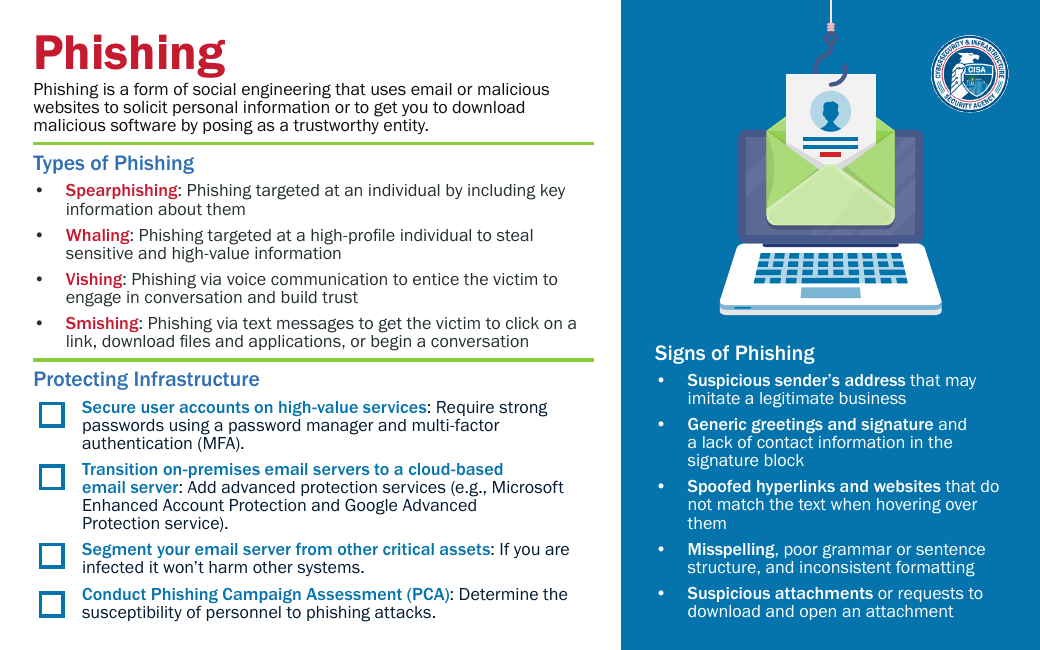
Security protocols require heightened vigilance during password recovery procedures because malicious actors often attempt to exploit authentication windows through fraudulent communications. The provider explicitly warns that the service will never email asking for account information or sensitive credentials. According to the FTC phishing-prevention guidance, individuals who suspect they have responded to a phishing attempt should immediately take steps to secure their accounts, change compromised passwords, and monitor financial statements or connected services for unauthorized activity.
Managing Verification Holds and Access Restrictions
Review device privacy and setup choices in our positive singles mobile app guide.
Account access barriers sometimes manifest not as forgotten passwords, but as unexpected verification prompts or temporary holds placed on a profile. Independent observations from the Innerbody review note that verification procedures are designed to maintain platform integrity, though members occasionally experience friction during automated checks. Understanding the distinction between a routine confirmation prompt and a formal restriction helps users determine the appropriate path forward.
Distinguishing Mistaken Holds from Standard Authentication Checks
A verification prompt encountered during a login attempt can represent either a standard security measure or a mistaken hold. The provider FAQ indicates that a verification prompt may occasionally function as a mistaken hold or suspension. When faced with such a notice, members should carefully review any on-screen instructions provided by the system rather than attempting to bypass the check through alternate login methods. Patience and adherence to official prompts reduce the risk of triggering more permanent account review states.
Engaging Official Support Channels for Complex Access Issues
When automated recovery workflows fail to resolve an access barrier, reaching out to designated support staff becomes necessary. Members can access the current provider support entry point directly via the provider support entry point to submit inquiries regarding persistent login failures or account holds. Providing accurate account details and adhering to safe communication practices ensures that support requests are handled efficiently without exposing sensitive data to unauthorized third parties.
Addressing Suspected Compromise and Session Security
Protecting an online profile requires active management of active sessions and credentials, particularly when accessing the platform from shared or public computers. Security frameworks emphasize the importance of credential hygiene and proper sign-out procedures to prevent unauthorized access by third parties who may use the same device subsequently.
Executing Proper Sign-Out Procedures on Shared Devices
Using public or shared hardware introduces significant risks if authentication tokens or browser caches retain login states after a session ends. The provider explicitly advises signing out of the account and clearing cache and cookies whenever a shared PC is used. This practice ensures that subsequent users of the device cannot access active sessions or view cached profile information left behind in browser storage.
Implementing Unique Passwords and Password Manager Tools
Weak or reused credentials represent one of the primary vulnerabilities exploited in online account compromises. To mitigate this risk, the CISA password-security recommendations call for unique passwords on every online account and the use of password managers to generate and store complex credentials securely. Adopting this habit prevents a credential breach on an unrelated platform from cascading into unauthorized access on personal dating profiles.
Evidence Audit Matrix for Access Recovery
Compare the dedicated software route in our positivesingles app verification guide.
The following audit matrix summarizes key access scenarios, their documented source origins, and recommended verification checks for members navigating sign-in challenges.
| Access Scenario | Documented Evidence Source | Recommended Reader Check |
|---|---|---|
| Password Reset Expiration | Provider FAQ (24-hour expiration rule) | Check inbox age and spam filters before requesting a new link. |
| Verification Holds | Provider FAQ (Mistaken hold or suspension warning) | Follow on-screen prompts; avoid circumventing automated checks. |
| Phishing Exposure | FTC Phishing Guidance | Review communications for authenticity; never share credentials via email. |
| Shared Device Hygiene | Provider FAQ (Sign-out and cache clearance) | Manually sign out and clear browser data after using public hardware. |
Actionable Steps Following Access Restoration
Once login access has been successfully recovered, taking immediate proactive measures helps secure the profile against future disruptions. Members should audit their account settings and update security credentials following the guidelines outlined by security authorities.
- Generate a complex, unique passphrase utilizing a trusted password manager as recommended by federal cybersecurity guidance.
- Ensure that the registered email address associated with positivesingles.com remains secure and accessible only to the account owner.
- Perform a thorough review of profile settings and communication logs to verify that no unauthorized modifications occurred during the period of restricted access.
- Consistently execute manual sign-out protocols and clear browser caches whenever accessing the network from a shared or non-private computer.
Questions Regarding Account Access and Recovery
Confirm the official domain and its boundaries in our positivesingles.com site audit.
Addressing common uncertainties helps members navigate authentication challenges with greater confidence and adherence to platform policies.
What should I do if my password reset email does not arrive within the expected timeframe?
If the email containing the reset link does not appear in your primary inbox, check your spam or junk mail folders. Because reset links expire within 24 hours, waiting too long or requesting multiple overlapping links can cause confusion. If necessary, initiate a fresh request from the login interface after verifying your email provider is not blocking automated messages from the service.
How can I distinguish a legitimate verification prompt from a phishing attempt?
Legitimate verification prompts appear directly within the official application or website interface during the authentication process. The provider explicitly warns that support staff will never email asking for account information or passwords. If you receive an unsolicited email asking you to click a link to verify your identity, consult FTC phishing guidance and navigate to the platform independently rather than clicking the link in the message.
Why is clearing browser cache necessary after signing out on a shared computer?
Browser caches and cookies can store session tokens or auto-fill data that allows subsequent users of the same device to access active accounts. The provider advises signing out and clearing both cache and cookies on shared PCs to ensure that no residual authentication data remains accessible to others who use the device.