
Understanding the Purpose and Scope of Dedicated Communities
Navigating the modern digital dating landscape can bring unique social and emotional considerations, particularly for adults who manage sexually transmitted infections such as HSV-1, HSV-2, HIV, or HPV. For individuals who prefer not to navigate disclosure conversations immediately upon making a new acquaintance, specialized online spaces aim to provide a shared baseline of understanding. This audit-led guide examines positive singles as a dedicated digital ecosystem, weighing independent expert analysis, provider disclosures, public feedback, and general consumer safety guidelines to help readers determine whether this platform matches their personal communication style, comfort boundaries, and privacy expectations.
To evaluate platform fit responsibly, readers must balance marketing claims against documented capabilities and known digital limitations. Dedicated platforms like positivesingles.com provide targeted environments where users share a common background regarding health statuses, which can theoretically reduce the anxiety of initial awkward disclosures. However, joining any digital community requires an objective review of functional mechanics, financial models, user verification safeguards, and geographical audience concentration. This guide uses an audit-led approach to break down what the platform provides, what independent reviewers observe, and how readers can conduct their own personal-fit assessment before creating an account.
Platform Overview and Publicly Disclosed Features
Troubleshoot account access with our positive singles sign in recovery guide.
Core Communication Tools and Membership Tiers
According to provider disclosures detailed on the official positive singles provider overview, the platform operates with both complimentary and paid tiers designed to facilitate interaction among adults living with STIs. Free membership functions generally permit profile creation, basic browsing, and limited communication privileges, though specific messaging caps apply. Upgrading to a paid subscription unlocks extended messaging capabilities, visibility enhancements, and advanced search filters.
Reviewing the structural rules of the platform helps clarify what users can expect upon joining. The provider notes various communication channels, including chat rooms, private messaging boards, and blog spaces where members share personal experiences. Detailed operational guidelines regarding subscription renewals, account cancellation steps, and member reporting functions are outlined in the positive singles subscription and privacy FAQ. Readers should inspect these operational terms independently to understand how billing structures and privacy settings function in practice.
Independent Expert Observations and Geographic Realities
Independent analysis from digital dating reviewers offers additional context regarding day-to-day usability. Katie Kottemann, MA, PhD, authored an extensive assessment in her Innerbody review of positive singles, noting that while the platform successfully aggregates a specialized user base, local audience density varies significantly based on geographic location. In major metropolitan areas, members may find an active pool of potential connections, whereas individuals residing in smaller towns or rural districts often encounter sparse local representation.
Furthermore, independent software evaluations emphasize that while niche platforms reduce the friction of disclosing a health condition, they do not replace standard digital vigilance. Users must remain mindful that online profiles do not guarantee mutual compatibility, respectful communication, or authentic identities. Understanding these operational realities helps maintain realistic expectations regarding response rates, geographic reach, and the overall time investment required to find meaningful interactions.
Health Context, Medical Accuracy, and Stigma-Safe Perspectives
Distinguishing HSV Types and Infection Sites
When participating in online discussions about health and dating, maintaining medical accuracy is essential. According to current public health guidance published by federal agencies, including the CDC herpes medical overview, herpes simplex virus is categorized primarily into HSV-1 and HSV-2. While HSV-1 is traditionally associated with oral lesions and HSV-2 with genital infections, either type can manifest in either location depending on the route of exposure.
Understanding these biological distinctions helps members communicate accurately during personal discussions. Public health authorities emphasize that transmission can occur even when visible symptoms are absent due to asymptomatic viral shedding. Consequently, open dialogue, prophylactic measures, and medical consultation remain vital components of responsible personal health management, regardless of whether individuals meet partners through specialized online communities or conventional social avenues.
Navigating Stigma and Emotional Well-Being
Managing the emotional dimensions of a chronic viral condition often involves overcoming societal stigma. Educational resources highlight that normalizing health discussions can alleviate unnecessary anxiety and isolation. Digital communities designed for positive singles can serve as a supportive sounding board, allowing members to interact with peers who share similar lived experiences without the immediate fear of rejection.
However, online interactions should complement, rather than substitute for, professional mental health support and clinical guidance. Readers are encouraged to approach community participation with self-compassion, recognizing that personal comfort levels with disclosure evolve over time. Establishing healthy personal boundaries and practicing patience are critical steps in maintaining emotional well-being while exploring digital matchmaking services.
Evaluating Digital Safety and Consumer Protection Standards
Review device privacy and setup choices in our positive singles mobile app guide.
Recognizing Romance Scams and Fraudulent Profiles
No digital platform is immune to malicious actors, bad-faith participants, or financial fraudsters. Federal consumer protection agencies provide rigorous guidance to help individuals identify suspicious behaviors before emotional or financial harm occurs. The FTC romance scam prevention checklist outlines common warning signs, such as individuals who profess intense affection rapidly, invent persistent financial emergencies, or consistently refuse to meet in person or participate in video calls.
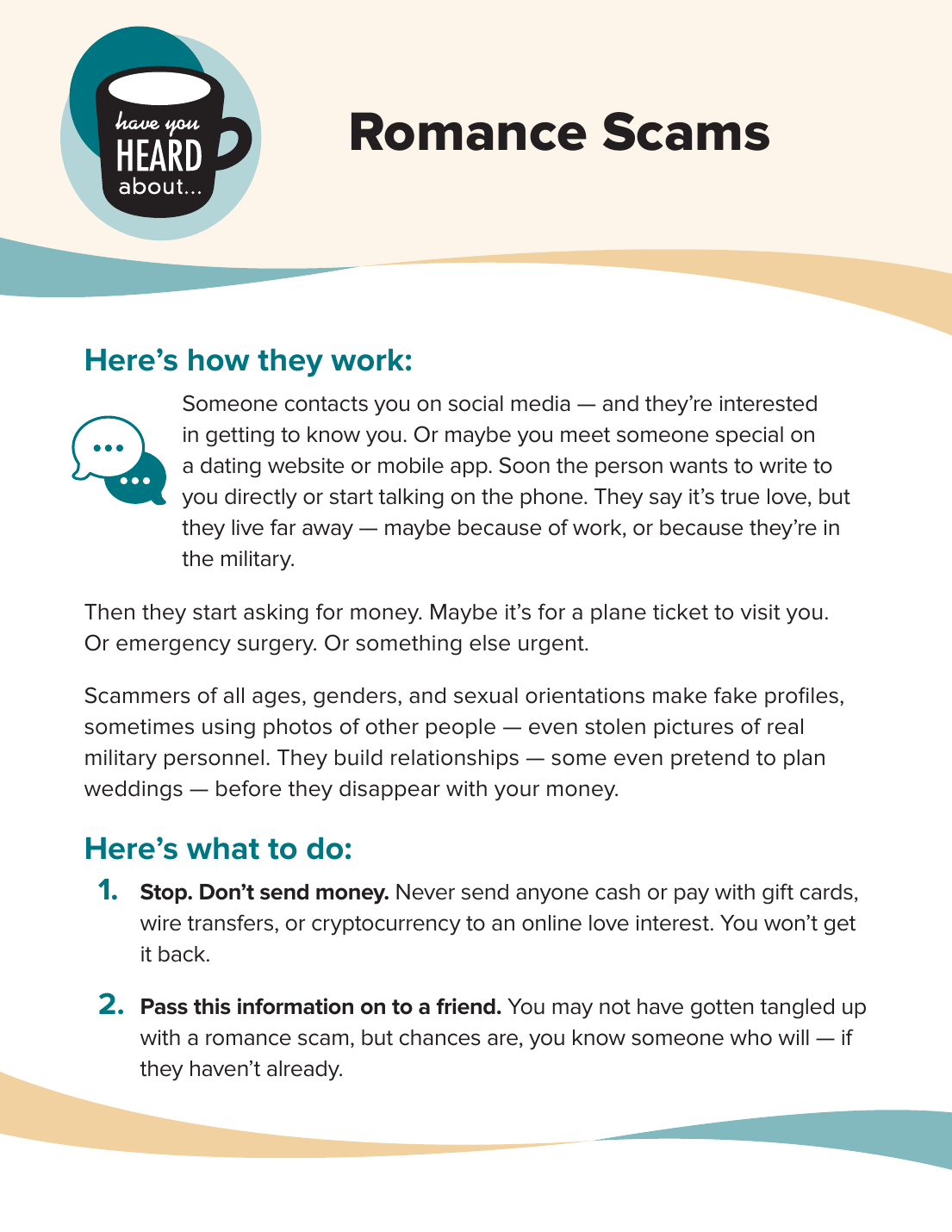
Adhering to general online safety protocols is vital for all participants. Scammers frequently target niche dating environments by exploiting the vulnerability of users who may feel marginalized in mainstream spaces. Maintaining skepticism when dealing with unverified profiles, protecting personal banking details, and utilizing platform reporting mechanisms for suspicious accounts form the bedrock of safe online engagement.
Platform Reporting and Moderation Mechanics
To mitigate fraudulent activity, reputable platforms maintain internal moderation teams and reporting tools. Users who encounter harassment, solicitation, or fake profiles are encouraged to utilize built-in reporting features immediately. While automated filters and manual moderation cannot intercept every violation, active community reporting assists administrators in removing accounts that breach terms of service.
Readers should familiarize themselves with the specific safety tools offered by positivesingles.com before initiating conversations. Knowing how to block unwanted contacts, report suspicious behavior, and safeguard personal contact information empowers users to control their digital experience and minimize exposure to malicious actors.
Evidence-Led Audit and Personal-Fit Decision Matrix
Weighing Provider Claims Against Independent Observations
An audit-led evaluation requires placing provider marketing assertions side-by-side with independent reviewer findings and user feedback. While public-review anecdotes gathered from consumer forums offer helpful qualitative snapshots, they represent a nonrepresentative sample and cannot establish universal platform reliability or member satisfaction rates.
The following decision matrix provides a structured verification tool to help readers assess whether the platform aligns with their individual dating goals, comfort thresholds, and technical expectations.
| Audit Dimension | Provider-Stated Scope | Independent Observation | Reader Verification Check |
|---|---|---|---|
| Audience & Community | Dedicated space for adults managing STIs | Active member pools vary heavily by region | Verify local member volume before subscribing |
| Messaging & Features | Free tier with limited messaging; paid upgrades available | Paid tiers required for full communication freedom | Test free functionality before purchasing a plan |
| Privacy & Billing | Confidential profile controls and subscription options | Standard digital privacy measures; review auto-renew terms | Inspect cancellation policies and data settings |
| Safety & Moderation | Built-in reporting and profile verification tools | Scammers and fake accounts still require user vigilance | Apply FTC romance scam prevention guidelines |
Actionable Steps for Personal-Fit Verification
Before committing time or financial resources to a specialized dating platform, users should complete a deliberate self-assessment. Testing the environment with modest expectations allows individuals to determine if the digital format suits their communication preferences without unnecessary frustration.
- Evaluate your local geographic area to assess whether an adequate active user base exists near you.
- Examine the free membership tier first to test interface usability and communication limitations.
- Review subscription terms, recurring billing schedules, and account cancellation procedures thoroughly.
- Implement strict personal security practices, including cautious messaging habits and adherence to fraud prevention guidelines.
Frequently Addressed Questions and Practical Decisions
Compare the dedicated software route in our positivesingles app verification guide.
Is membership disclosure mandatory for all account holders?
Yes, the foundational premise of positivesingles.com is that members share a common understanding regarding sexually transmitted infections. Profiles typically require disclosure of specific health conditions to maintain platform integrity, ensuring that all participants share a mutual baseline before initiating contact.
Can free accounts initiate conversations with paid members?
Free membership permits limited interaction, but platform mechanics restrict certain outbound messaging capabilities. Paid subscriptions remove these barriers, allowing unrestricted communication. Users should review current provider documentation regarding exact messaging caps on complimentary accounts.
What steps should I take if I encounter a suspicious profile?
If you suspect a profile is fraudulent or violates community standards, utilize the on-site reporting tool immediately to alert moderation staff. Never transfer money, share financial details, or click external links sent by unverified users.
By approaching specialized platforms with realistic expectations, careful safety protocols, and a clear understanding of personal boundaries, readers can make informed decisions about whether positive singles fits their lifestyle and relationship goals.